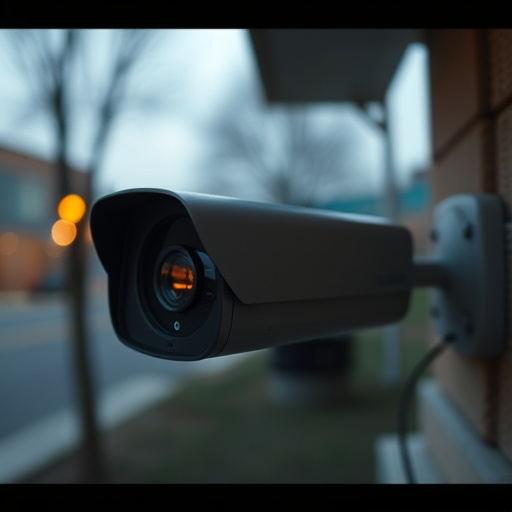
Wireless Nanny Cam Live Streaming enhances home security through remote monitoring via internet-connected cameras accessible on smartphones and computers. Setting up these devices requires strategic placement for optimal visibility, stability, discretion, and environmental considerations. Discretionary mounting and regular testing ensure secrecy while direct line-of-sight and proximity optimize signal strength. Legal compliance and robust privacy standards are crucial; adhering to local regulations, limiting data collection, encrypting information, and using equipment responsibly protect individual privacy.
Wireless surveillance systems, particularly the advanced wireless nanny cam live streaming technology, offer unparalleled peace of mind. This comprehensive guide explores key aspects of setting up an effective system. From understanding the intricacies of wireless nanny cam live streaming to selecting the ideal locations for maximum coverage and discreet positioning, we provide essential tips. Learn how to enhance signal range and quality, ensuring seamless remote monitoring, while adhering to legal considerations and privacy best practices in the realm of wireless surveillance.
- Understanding Wireless Nanny Cam Live Streaming Technology
- Key Factors in Selecting the Optimal Location for Surveillance Equipment
- Tips for Discreetly Positioning Your Wireless Cameras
- Enhancing Signal Range and Quality for Remote Monitoring
- Legal Considerations and Privacy Best Practices for Wireless Surveillance
Understanding Wireless Nanny Cam Live Streaming Technology
Wireless Nanny Cam Live Streaming technology has revolutionized home security and monitoring, offering a convenient way to keep an eye on your property remotely. This technology allows users to access live video feeds from their cameras via the internet, enabling them to monitor activities in real-time from anywhere with an internet connection. The data is transmitted wirelessly, making it easy to set up and maintain, without the need for complex wiring.
Understanding how this system works is key to optimizing its performance. Wireless Nanny Cams typically utilize Wi-Fi or cellular networks to transmit video data. Users can view these streams on their smartphones, tablets, or computers through dedicated apps, providing a seamless and accessible monitoring experience. The live streaming feature also facilitates two-way communication, allowing users to speak with individuals at the camera’s location, enhancing the sense of security and interactivity.
Key Factors in Selecting the Optimal Location for Surveillance Equipment
When selecting the ideal location for wireless nanny cam live streaming equipment, several key factors come into play. First and foremost, consider line-of-sight visibility—the camera needs a clear view of the area to be monitored without obstructions like trees or buildings. This ensures optimal video quality and minimizes blind spots. Additionally, proximity is crucial; placing the device close to power sources and network hubs reduces cable clutter and improves connectivity stability.
Security and discretion are also vital aspects. Choose a location that offers natural camouflage or allows for stealthy mounting, ensuring the equipment remains undetected. Moreover, consider environmental factors like temperature fluctuations and humidity levels, especially in outdoor settings, as these can impact the device’s performance and longevity.
Tips for Discreetly Positioning Your Wireless Cameras
When setting up wireless nanny cam live streaming devices, discretion is key. To avoid drawing unwanted attention, position cameras out of sight and at eye-level or higher. Ceilings are ideal for hiding cameras discreetly. Additionally, use mounting techniques that blend with the environment; for instance, disguise camera bodies as everyday objects like plants or smoke detectors.
To ensure optimal coverage without raising suspicions, place cameras in strategic locations such as hallways, living rooms, and bedrooms. Avoid areas with high foot traffic or obvious angles where people might suspect surveillance. Regularly test camera placement to ensure clear visuals and minimize blind spots, enhancing the overall effectiveness of your wireless surveillance system while maintaining its secrecy.
Enhancing Signal Range and Quality for Remote Monitoring
To ensure optimal performance of your wireless nanny cam live streaming setup, enhancing signal range and quality is paramount for remote monitoring. One effective strategy is to strategically place the camera and receiver within line-of-sight of each other, minimizing physical obstacles like walls or furniture. This direct path allows signals to travel unobstructed, strengthening the connection.
Additionally, positioning the devices closer together can significantly improve signal strength. If possible, avoid placing cameras in hard-to-reach areas that are far from a stable receiver. Upgrading to high-gain antennas for both the camera and receiver can also extend range and enhance signal quality, enabling clearer video streaming even over longer distances.
Legal Considerations and Privacy Best Practices for Wireless Surveillance
When utilizing wireless surveillance equipment, such as a Wireless Nanny Cam Live Streaming, it’s paramount to navigate legal considerations and uphold privacy best practices. Each jurisdiction has laws governing the use of surveillance technology, focusing on consent, reasonable expectations of privacy, and data protection. Always ensure you’re compliant with local regulations to avoid legal repercussions.
Privacy best practices involve minimizing data collection, securing personal information, and being transparent about surveillance activities. Protect sensitive data by using strong encryption for video streams and storage. Keep in mind that individuals have the right to privacy, and using surveillance equipment should be limited to legitimate safety or security purposes only.
The deployment of wireless nanny cam live streaming technology requires a balanced approach that combines technical know-how with legal awareness. By understanding key factors like signal range, discreet positioning, and privacy best practices, you can effectively leverage the benefits of remote monitoring while adhering to relevant regulations. Remember, optimal location and enhanced signal quality are essential for reliable surveillance, ensuring peace of mind in today’s digital era.